

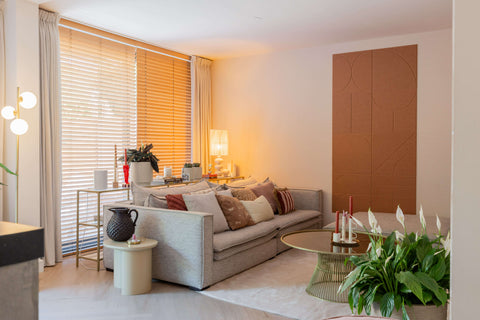
Our range of acoustic design solutions
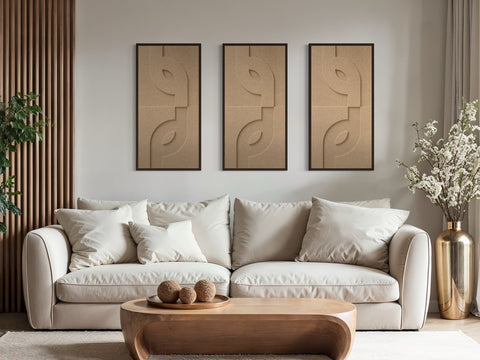
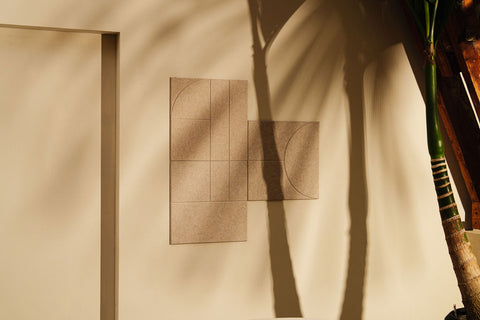
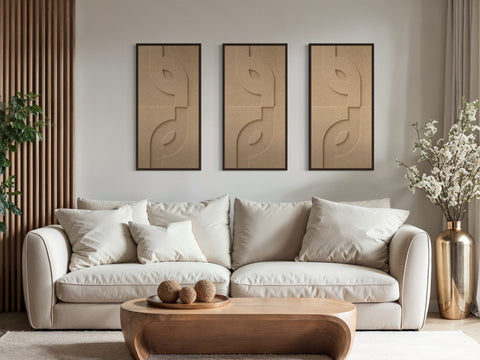
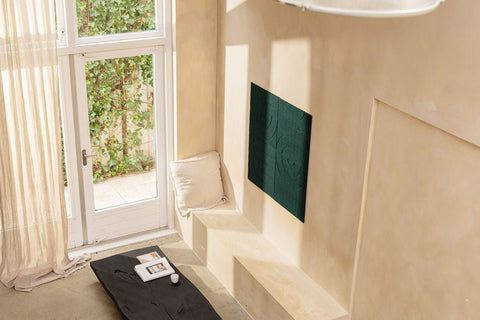
Acoustic felt can be used to create sound-absorbing walls and ceilings. From self-adhesive designer acoustic panels to felt paintings—choose from a range of colors and styles to suit your interior. Order samples to find the right match.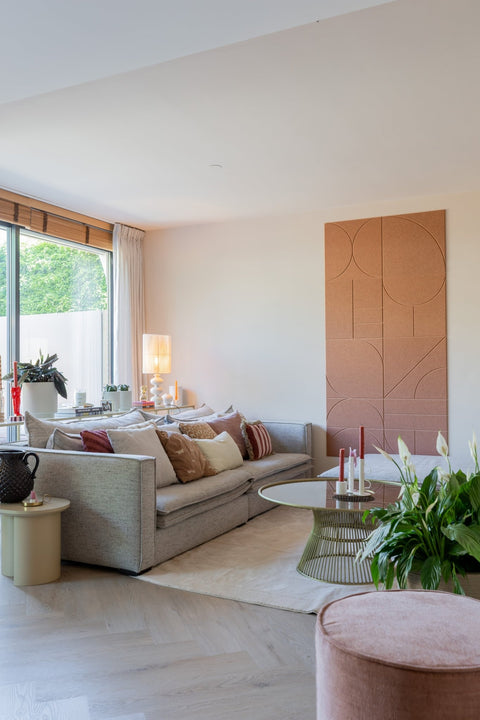

As seen on:




Why choose Maeven Art?


Maeven Art
Wooden slats
From disturbing echo to tranquility in 15 minutes
Our PET felt acoustic wall panels instantly dampen echoes and reverberations, creating a quiet, comfortable space. The panels are self-adhesive, allowing them to be installed on walls or ceilings in just a few minutes—no drilling or glue required.
- Reduces echo and reverberation immediately after installation
- Self-adhesive, no tools, sealant, or double-sided tape required
- Unique designs, made in the Netherlands. Create your own modular composition.
- Fire rating tested in accordance with EN-13501 and classified as fire rating B-s1, d0.

Acoustic tranquility with premium pet-felt
Experience silence, atmosphere, and design with our acoustic felt panels, wall tiles, and framed paintings made from PET felt. The material dampens disturbing echoes and immediately improves acoustics—ideal for living rooms, bedrooms, home offices, and professional environments.
For professionals
Interior architects, designers, and business customers love working with Maeven Art because of:
• measurable acoustic added value in the space
• high-quality PET felt (certified)
• modular construction and endless compositions
• quick installation without a contractor
• premium look for hospitality & office
Whether you want a quiet living room, need an inspiring home office, or are furnishing an entire project: with Maeven Art, you can combine soundproofing, design, and comfort in one solution.
Shop by collection


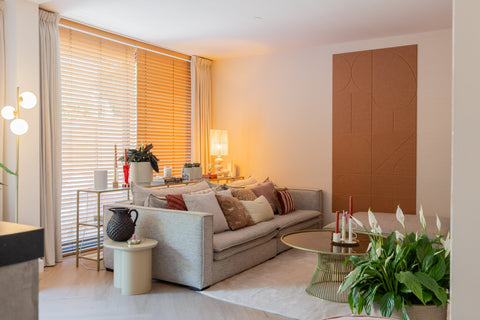


Not sure which color you want?
Receive our complete felt sample kit and feel the premium quality of Maeven for yourself. This way you can see which color fits best in your own interior.
Will you order our panels later? Then you will receive the amount of the sample kit fully refunded.
Free shipping for NL & BE.
- See immediately which color best matches your interior
- Experience the genuine quality and texture of felt
- Risk-free: full refund upon purchase
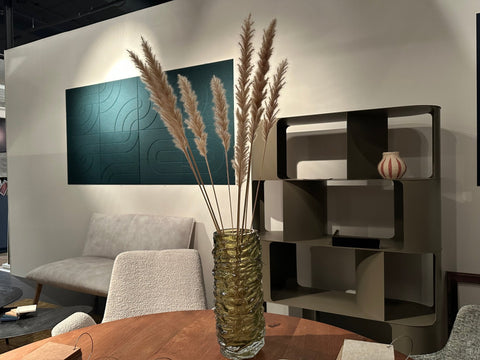
Who we are - Maeven Art
Maeven Art brings acoustics, design, and silence together in one powerful design language. Our name comes from Maeve—a reference to tranquility, elegance, and a certain depth that you don't need to explain, but can feel.
We develop acoustic solutions that are more than just panels on the wall. Each collection is designed to reduce reverberation and allow a space to breathe more softly – without feeling like technology. Whether you choose acoustic wall decoration, modular panels, or our framed paintings, your interior will immediately sound calmer and look more refined.
Our products are made in the Netherlands from high-quality PET felt—a sustainable, sound-absorbing material that makes your interior comfortable without any structural changes. This makes our solutions ideal for living spaces, home offices, hospitality venues, and project interiors where atmosphere, comfort, and acoustics are as important as aesthetics.
At Maeven, we are always looking for that balance between silence and style – exactly what a modern space needs to be pleasant.